Green Initiatives: How E-Waste Recycling Services Are Protecting Our Planet
E-waste represents a considerable hazard to the environment, as disposed electronics frequently harbor hazardous substances. Such dangerous compounds can pollute soil and water supplies, causing extensive damage to surrounding ecosystems. E-waste recycling services present a viable solution. They successfully retrieve useful resources while simultaneously minimizing environmental pollution. Comprehending the operation of these services and their influence on communities is of great importance. The path to successful electronic waste management prompts Explore now vital discussions about personal accountability and communal efforts. What measures can be pursued from this point onward?
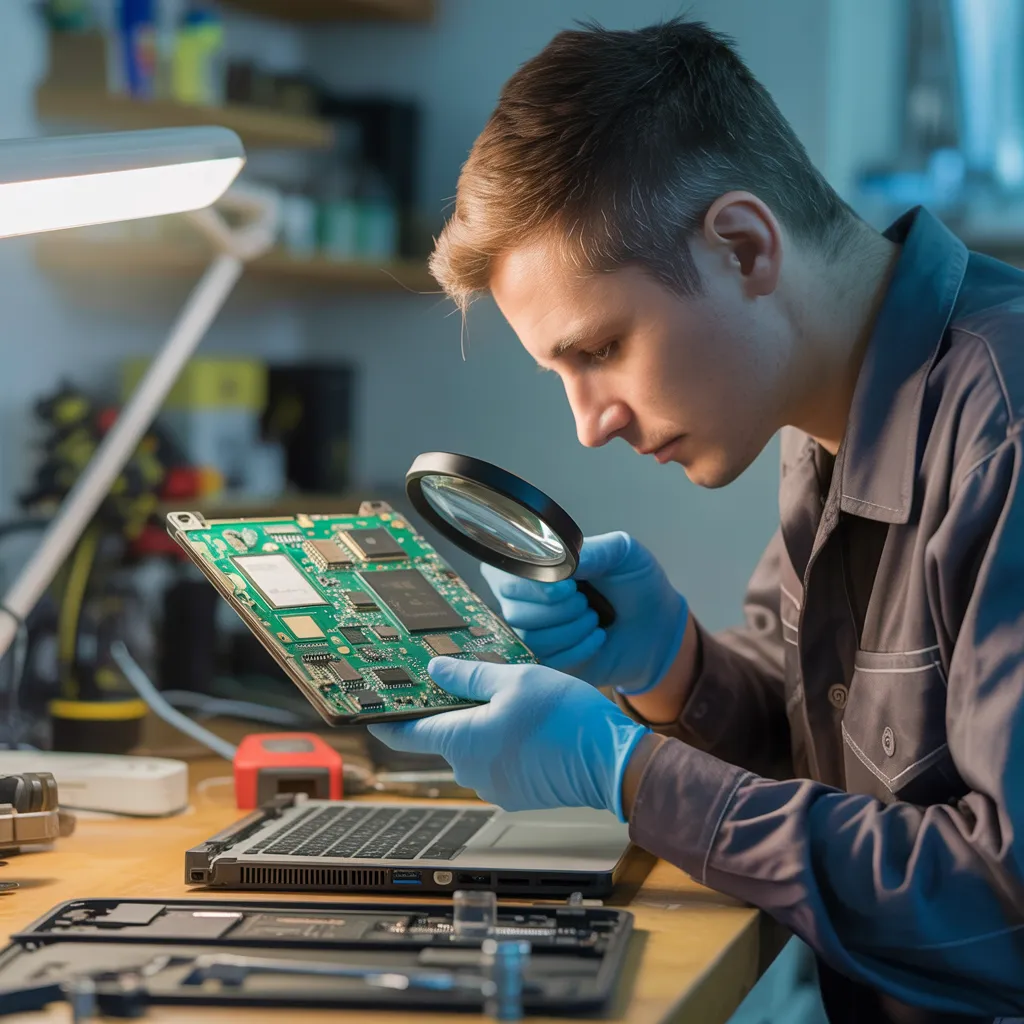
Why E-Waste Is Bad for the Planet
Although technological advancements improve our daily lives, e-waste poses significant environmental threats. Disposed electronic equipment, commonly laden with dangerous compounds like cadmium, lead, and mercury, can leach toxins into soil and groundwater, posing risks to human health and ecosystems. The rapid pace of technological advancement results in increased consumer turnover of electronics, exacerbating the accumulation of electronic waste.
Landfills, already strained by waste, are unable to keep up with the rising quantities of abandoned electronics. Incineration, a common waste management technique, emits dangerous pollutants into the environment, degrading atmospheric conditions. Furthermore, inadequate recycling methods can result in the shipment of electronic waste to underdeveloped nations, where workers may break down equipment without proper protective measures, putting themselves at risk of exposure to hazardous materials. This pattern of negligence and mismanagement highlights the critical demand for eco-friendly recycling alternatives that can reduce the damaging impact of electronic waste on the environment.
Understanding E-Waste and Its Significance
Electronic waste, commonly known as e-waste, encompasses obsolete electronic products including smartphones, computers, and televisions that have exceeded their operational lifespan. This rapidly expanding waste category is noteworthy due to its rapid accumulation, propelled by advances in technology and evolving consumer behaviors. With an increasing number of devices reaching obsolescence, the ecological consequences become more pronounced, with harmful substances like lead, mercury, and cadmium threatening both ecosystems and public health.
The importance of addressing e-waste lies not only in mitigating these hazards but also in recognizing the valuable materials it contains. Precious metals and rare earth elements can be recovered and reused, reducing the need for mining and conserving natural resources. With a thorough understanding of e-waste and its impact, people and organizations alike can make educated decisions about disposal and recycling, helping to build a more sustainable world. Responsible management of e-waste plays a key role in supporting a circular economy and championing environmental stewardship.
The Way E-Waste Recycling Functions
The recycling of e-waste encompasses a structured approach designed to recover valuable materials while reducing harm to the environment. To begin, discarded electronics are retrieved and sent to specialized recycling facilities. After reaching the facility, the equipment is meticulously organized to distinguish harmful elements from reusable resources.
Next, specialists dismantle the devices, recovering glass, metals, and plastics. This stage is crucial, as it facilitates the recovery of high-value metals like silver, gold, and copper, which can be recycled in modern electronics.
Following this, the separated materials are treated with sophisticated techniques, such as shredding and chemical treatments, to cleanse them for reuse.
In the final step, the leftover hazardous waste is handled with responsibility, complying with eco-friendly standards. This comprehensive process not only conserves resources but also reduces the dangers connected to unsafe e-waste handling, guaranteeing a greener future for the consumption of electronics.
The Benefits of E-Waste Recycling for You and Your Community
Although it often goes unnoticed, the benefits of e-waste recycling go far beyond individual benefit and actively shape entire communities. By carefully processing electronic waste, individuals play a role in creating a safer environment, reducing toxic components that can seep into soil and water. This proactive approach helps preserve local ecosystems and supports public health.
Additionally, the recycling of e-waste encourages employment opportunities within local communities. Local recycling facilities often require personnel for a range of functions, covering everything from collection to processing, thereby providing employment opportunities within the community. This not only strengthens the regional economy but also encourages community engagement in sustainable practices.
Moreover, understanding of e-waste recycling is capable of inspiring community outreach programs, encouraging residents to make environmentally conscious decisions. By engaging with e-waste recycling programs, individuals nurture a culture of sustainability, inspiring others to do the same. All things considered, the combined impact of these actions can contribute to a more sustainable and conscientious community.
How to Select an E-Waste Recycling Service
Selecting the best e-waste recycling service is vital for making sure that e-waste is handled responsibly and sustainably. Initially, consumers should confirm the company's certifications, such as e-Stewards or R2, which demonstrate compliance with industry standards for safe recycling practices. Additionally, it is advisable to assess the organization's standing by checking reviews and obtaining recommendations from trusted sources.
Next, transparency in the recycling process is vital. A reliable company should provide clear information about how e-waste is processed and what happens to the materials. Furthermore, assessing the variety of services available can be advantageous; certain providers may offer collection services or present rewards for recycling.
Finally, being aware of area-specific requirements for e-waste disposal can further guide the decision-making process. When these considerations are given priority, people are able to support effective e-waste management while supporting sustainable environmental efforts.
Ways You Can Participate in E-Waste Recycling?
Participating in e-waste recycling often starts at the local level, where local recycling facilities often provide essential services for safe disposal. Moreover, participating in community awareness campaigns can strengthen efforts to raise awareness about the importance of ethical e-waste practices. These actions not only encourage sustainable practices but also foster a collective sense of responsibility toward the environment.
Nearby Recycling Facilities
A wide range of regional recycling hubs fulfill a critical purpose in electronic waste recycling, providing communities with accessible options to handle electronic waste in a responsible manner. These centers accept a range of electronic equipment, including old computers, smartphones, and televisions, ensuring that harmful materials are handled safely. Many hubs feature qualified professionals who are able to assist individuals with correct disposal techniques, stressing the significance of recycling instead of landfilling. Additionally, various hubs coordinate planned drop-off gatherings or set collection days, enabling residents to engage without difficulty. By taking advantage of these neighborhood resources, community members advance a circular economy, decreasing environmental damage and advancing sustainable approaches. Working alongside these hubs allows communities to address e-waste pollution proactively.
Community Outreach Campaigns
Local organizations, schools, and businesses can collaborate to host events that promote e-waste collection drives. Volunteers can play a pivotal role in spreading awareness, distributing educational materials, and engaging with the community. By means of these joint initiatives, residents become more informed and motivated to recycle their electronic waste, thus playing a meaningful role in creating a more environmentally responsible future.
Frequently Asked Questions
What Kinds of Electronics Can Be Recycled?
A wide range of electronics are able to be recycled, including computers, smartphones, televisions, laptops, gaming consoles, and printers. Moreover, ancillary devices such as batteries, keyboards, and mice are equally appropriate for recycling, supporting sustainable environmental practices.
Are There Any Costs Associated With E-Waste Recycling?
Indeed, e-waste recycling sometimes comes with fees, based on the provider. Some facilities apply costs for gathering or treatment, while others provide no-cost solutions, typically funded by the proceeds from salvaged materials.
What Are the Benefits of E-Waste Recycling for Businesses?
Companies can take advantage of e-waste recycling by lowering disposal expenses, improving their green reputation, adhering to regulatory requirements, recovering valuable materials, and possibly earning income through resale, thereby fostering a more environmentally responsible business approach.
What Happens to Data on Recycled Devices?
Details regarding repurposed devices is frequently irretrievably wiped or obliterated during processing. This confirms sensitive information is kept safe, stopping improper access while allowing materials to be repurposed securely and sustainably across new manufacturing processes.
Can I Recycle Broken Electronics?
Indeed, non-functioning electronics are able to be recycled. Numerous facilities receive non-functioning devices, providing safe disposal and recovery of valuable materials. This effort helps minimize the environmental footprint while promoting responsible recycling practices to manage electronic waste responsibly.